


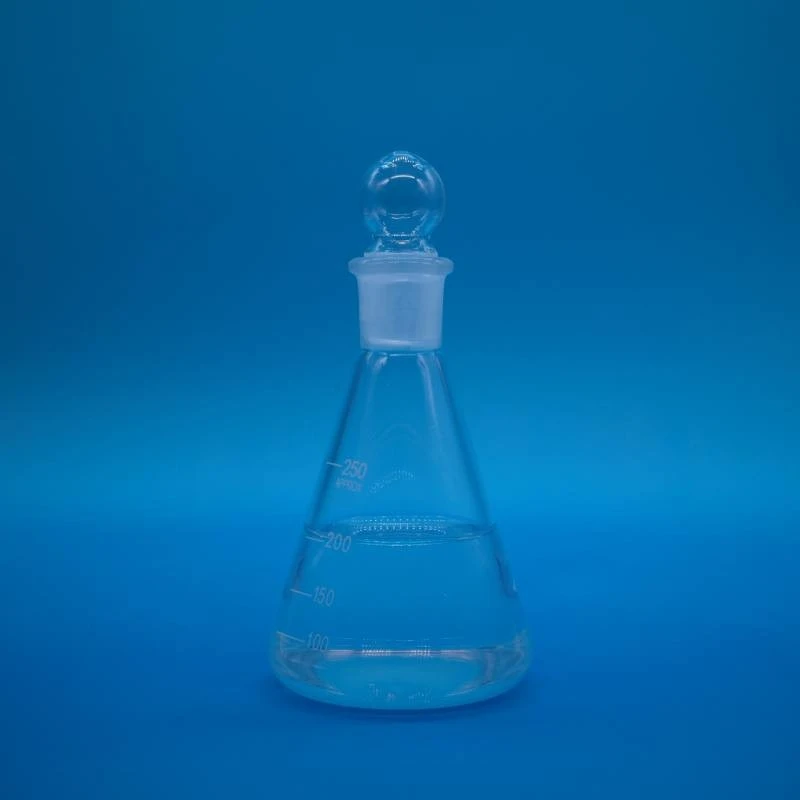
Shandong Peak-tech New Material Co., Ltd. is one of the most reliable manufacturers and suppliers of cosmetic grade colloidal silica in China. With a professional production team, we are able to meet the needs of the majority of our customers. Welcome to buy durable cosmetic grade colloidal silica for sale here from our factory.
Cosmetic Grade Colloidal Silica Qualification Candidates
The following high-purity grades can be reviewed as technical candidates for cosmetic formulation development. Final suitability depends on ingredient identity, product type, exposure conditions, destination-market rules, impurity specifications and the required safety documentation.
| Model | Particle Size | SiO₂ Content | Metal Ions | pH | Shelf Life |
|---|---|---|---|---|---|
| HP25D10 | 10–20 nm | 25±1% | <20 ppm | 7–9 | ≥12 months |
| HP3010 | 10–20 nm | 30±1% | <50 ppm | 7–9 | ≥12 months |
| HP2510A | 10–20 nm | 21–25% | <50 ppm | 2–4 | ≥12 months |
| HP4010A | 10–20 nm | 38–42% | <50 ppm | 2–4 | ≥12 months |
Aluminum present as Al₂O₃ is excluded from the published total metal-ion value. HP25D10 and HP3010 are stabilized with NH₄⁺.
Qualification notice: These HP grades are high-purity technical candidates only. Available source data does not establish cosmetic-grade status, an INCI designation, cosmetic regulatory compliance or safety for use on the human body. Do not market or use a grade as a cosmetic ingredient until identity, purity, microbiological quality, toxicological suitability, intended exposure and required documents are confirmed.
Compare High-Purity Grades Before Formulation Review
HP25D10
Provides 25±1% SiO₂, a published total metal-ion value below 20 ppm, pH 7–9 and NH₄⁺ stabilization.
HP3010
Provides 30±1% SiO₂, published total metal ions below 50 ppm, pH 7–9 and NH₄⁺ stabilization.
HP2510A
Provides 21–25% SiO₂, published total metal ions below 50 ppm and a pH range of 2–4.
HP4010A
Provides 38–42% SiO₂, published total metal ions below 50 ppm and a pH range of 2–4.
Information Required for a Cosmetic Ingredient Review
The technical table is a starting point only. A cosmetic manufacturer or responsible safety assessor must review the complete ingredient and exposure profile before formulation use.
- Product type: identify skin care, hair care, color cosmetic, oral care or another formulation, and state whether it is leave-on or rinse-off.
- Exposure conditions: provide the intended use level, application area, frequency, user population and expected contact duration.
- Destination market: state the country or region and the applicable cosmetic regulation or customer specification.
- Ingredient identity: confirm the required chemical identity, INCI expectation, physical form, silica concentration, pH and stabilizing ion.
- Quality limits: provide element-specific heavy-metal limits, microbiological limits, particle characterization requirements and analytical methods.
- Safety documents: list required composition, SDS, COA, toxicological, allergen, GMO, animal-origin, manufacturing, traceability and change-control information.
- Commercial details: include trial quantity, annual demand, packaging requirements and destination country.
Request Cosmetic-Use Qualification Review
Send the formulation type, leave-on or rinse-off status, intended use level, application area, destination market, impurity and microbiological limits, required documents, trial quantity and destination.
Submit Cosmetic Qualification RequirementsProtect Colloidal Stability During Storage
Packaging Options
Published polyethylene packaging sizes are 25 kg, 250 kg and 1000 kg. Confirm packaging and cleanliness requirements for the intended cosmetic project.
Storage Temperature
Store at 0–40°C and protect from freezing. Temperatures below 0°C can cause irreversible gelation.
Direct Sunlight
Avoid prolonged exposure to direct sunlight during storage and transportation.
Container Closure
Keep containers closed to limit water evaporation, contamination risk and precipitation of solid silica particles.
Cosmetic Grade Colloidal Silica Qualification Questions
Are the listed products certified cosmetic grade?
Cosmetic-grade status or regulatory compliance is not established by the current source data. The HP grades are technical candidates requiring separate identity, quality, safety and market-specific review.
Does the technical table confirm an INCI name or cosmetic safety?
No. Particle size, SiO₂ content, total metal ions and pH do not establish an INCI designation or demonstrate safety for a specific cosmetic formulation and exposure scenario.
Which specifications should be confirmed before cosmetic evaluation?
Confirm ingredient identity, element-specific impurity limits, microbiological criteria, particle characterization, pH, stabilizing ion, analytical methods and any formulation-specific acceptance limits.
Why must leave-on and rinse-off products be identified?
Contact duration and exposure can differ substantially. Product type, use level, application area, frequency and target population are needed for a meaningful safety and regulatory assessment.
How should a technical sample be stored?
Store it at 0–40°C, prevent freezing and direct sunlight, and keep the container closed. Follow any additional sample-handling or contamination-control requirements in the evaluation protocol.
Hot Tags: cosmetic grade colloidal silica, China cosmetic grade colloidal silica manufacturers, suppliers, factory
Cosmetic Formulation Qualification Scenarios
These areas describe possible formulation-review scenarios, not approved uses or performance claims. Every project requires identity, safety, compatibility and destination-market compliance confirmation before cosmetic use.
Leave-On Skin Care
Candidate assessment requires defined use level, application area, exposure profile, impurity limits and safety review for the complete formulation.
Rinse-Off Skin Care
Evaluation should define contact time, rinse conditions, formulation pH, ingredient compatibility and market-specific requirements.
Hair Care Formulations
Technical trials require confirmation of product format, scalp or hair contact, use frequency, compatibility and cosmetic compliance.
Color Cosmetic Formulations
Candidate review must address intended application area, pigment system, particle specifications, purity and applicable safety requirements.
Oral Care Formulations
Evaluation requires specific regulatory classification, exposure assessment, ingestion considerations and supporting safety documentation.
Custom Cosmetic Projects
Other formulations can be reviewed case by case using the intended use, exposure conditions, destination market and documentation checklist.


