


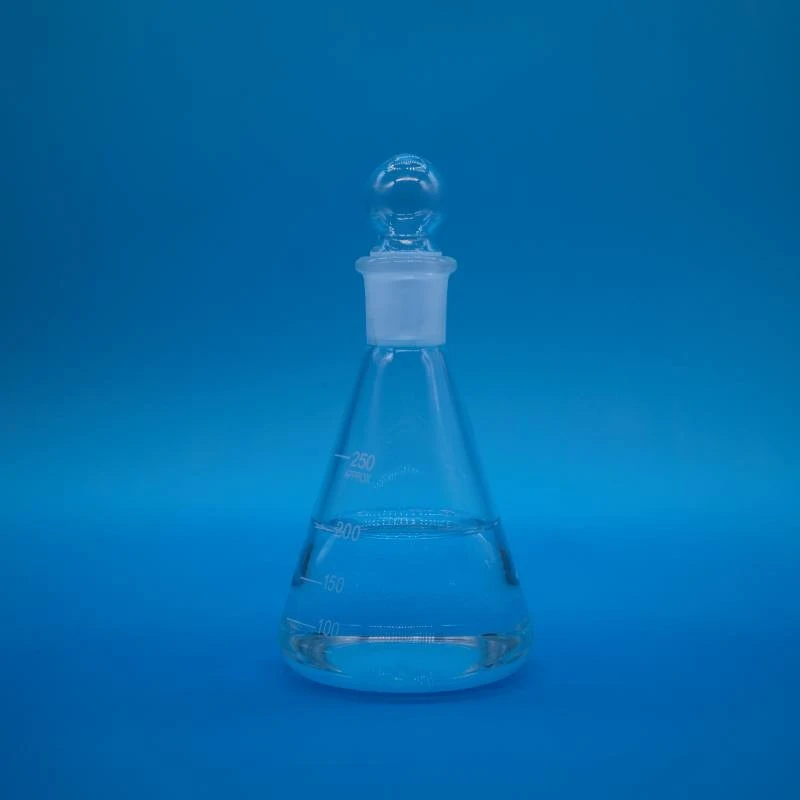
Shandong Peak-tech New Material Co., Ltd. is one of the most reliable manufacturers and suppliers of silica sol for paint in China. With a professional production team, we are able to meet the needs of the majority of our customers. Welcome to buy durable silica sol for paint for sale here from our factory.
Silica Sol for Paint Grade Comparison
| Model | Particle Size | SiO₂ Content | pH | Surface Group | Shelf Life |
|---|---|---|---|---|---|
| M3005 | 6–9 nm | 30±1% | 3–5 | –CH₂–OH | ≥12 months |
| M3010 | 10–15 nm | 30±1% | 3–5 | –CH₂–OH | ≥12 months |
| M3005T | 6–9 nm | 30±1% | 7–9 | –CH₂–OH | ≥12 months |
| M3010T | 10–15 nm | 30±1% | 7–9 | –CH₂–OH | ≥12 months |
| MX7-30 | 6–9 nm | 30±1% | 7–9 | –CH₂–OH | ≥12 months |
| MX12-30 | 10–15 nm | 30±1% | 7–9 | –CH₂–OH | ≥12 months |
| VX2505 | 6–9 nm | 21–23% | 2–4 | –CH=CH₂ | ≥12 months |
| VX3010 | 10–15 nm | 26–28% | 2–4 | –CH=CH₂ | ≥12 months |
Silica sol is aqueous and these grades are intended for compatible waterborne or hybrid paint trials. Amino and carboxyl functional groups can also be reviewed as customized options.
Match the Surface Group, pH and Particle Size
Paint performance depends on the interaction between the silica surface and the complete formulation. Grade screening should start with resin chemistry and formulation pH, then confirm stability and film properties.
Acidic Hydroxymethyl Grades
M3005 and M3010 provide 30±1% SiO₂ with two particle-size ranges for compatible acidic paint systems.
Near-Neutral Hydroxymethyl Grades
M-T and MX grades provide 30±1% SiO₂ for waterborne systems requiring a near-neutral starting range.
Reactive VX Grades
VX2505 and VX3010 carry vinyl surface groups and require confirmation of the intended compatible reaction mechanism.
Amino or Carboxyl Options
Custom functional groups can be discussed after the resin, pH, curing route and required film properties are defined.
Paint Data Needed for Grade Recommendation
- Paint type: identify the waterborne resin, intended substrate, pigment volume and curing method.
- Formulation composition: list pigments, fillers, dispersants, surfactants, rheology modifiers and other ionic additives.
- Compatibility window: provide the formulation pH, mixing temperature and permitted addition sequence.
- Target properties: define hardness, adhesion, drying, abrasion, blocking, gloss and water-resistance goals.
- Stability requirements: state viscosity tolerance, storage period, freeze-thaw conditions and acceptance tests.
- Order information: include trial quantity, annual demand, packaging preference and destination country.
Qualify the Complete Paint System
Bench Compatibility
Check for immediate thickening, flocculation, precipitation, gel formation and unwanted pH drift after addition.
Application Properties
Measure viscosity, leveling, sagging, wet-film appearance and drying under the intended coating conditions.
Dry-Film Performance
Compare adhesion, hardness, abrasion resistance, gloss, blocking and water resistance against the control formula.
Storage Stability
Monitor viscosity, settling, redispersibility and appearance through the required storage and temperature cycles.
Request Silica Sol for a Paint Trial
Send your resin type, formulation pH, pigments and additives, target film properties, trial quantity and annual demand for grade review.
Request a Paint GradeMaintain Silica-Sol Stability
Packaging Options
Available polyethylene packaging sizes are 25 kg, 250 kg and 1000 kg.
Storage Temperature
Store at 0–40°C and prevent freezing. Temperatures below 0°C can cause irreversible gelation.
Direct Sunlight
Avoid prolonged direct sunlight during storage and transportation.
Container Closure
Keep containers closed to reduce water evaporation and precipitation of solid silica particles.
Silica Sol for Paint FAQ
Is silica sol suitable for every type of paint?
No. Silica sol is aqueous, so these grades should be evaluated in compatible waterborne or hybrid systems. Resin chemistry and formulation stability must be confirmed.
Which grades are available for paint formulation trials?
Published candidates include the hydroxymethyl-functional M, M-T and MX series, plus vinyl-functional VX2505 and VX3010 for compatible reactive systems.
How should particle size be selected?
The available modified grades include 6–9 nm and 10–15 nm options. Selection should be based on compatibility, viscosity, film appearance and final performance testing.
What should be checked during the initial paint trial?
Check pH drift, viscosity, flocculation, gel formation, storage stability, application behavior and the required dry-film properties.
Can the silica surface group be customized?
Amino and carboxyl functional groups are identified as customizable. The target group, modification level and final specification should be confirmed before sampling.
Hot Tags: silica sol for paint, China silica sol for paint manufacturers, suppliers, factory
Applications of Silica Sol for Paint
Surface-modified silica sol can be screened as a functional additive in compatible waterborne and hybrid paint systems. Grade approval requires testing with the actual resin, pigments, additives, substrate and curing conditions.
Waterborne Wood Paint
Modified grades can be evaluated for compatible clear or pigmented wood systems where film hardness and blocking are trial targets.
Water-Based Metal Paint
Selected silica-sol grades can be tested for adhesion, drying, hardness and storage stability in compatible metal-paint formulations.
Industrial Protective Paint
Suitable grades may be screened where abrasion resistance, surface durability or water resistance is being optimized.
Architectural Waterborne Paint
Trials can assess compatibility, application behavior, dry-film properties and stability in interior or exterior formulations.
Reactive Hybrid Paint
Vinyl-functional VX grades can be considered when the formulation has a compatible reaction pathway and curing mechanism.
Custom Functional Paint
Particle size, pH range and surface functionality can be reviewed for specialized formulation and performance requirements.


