

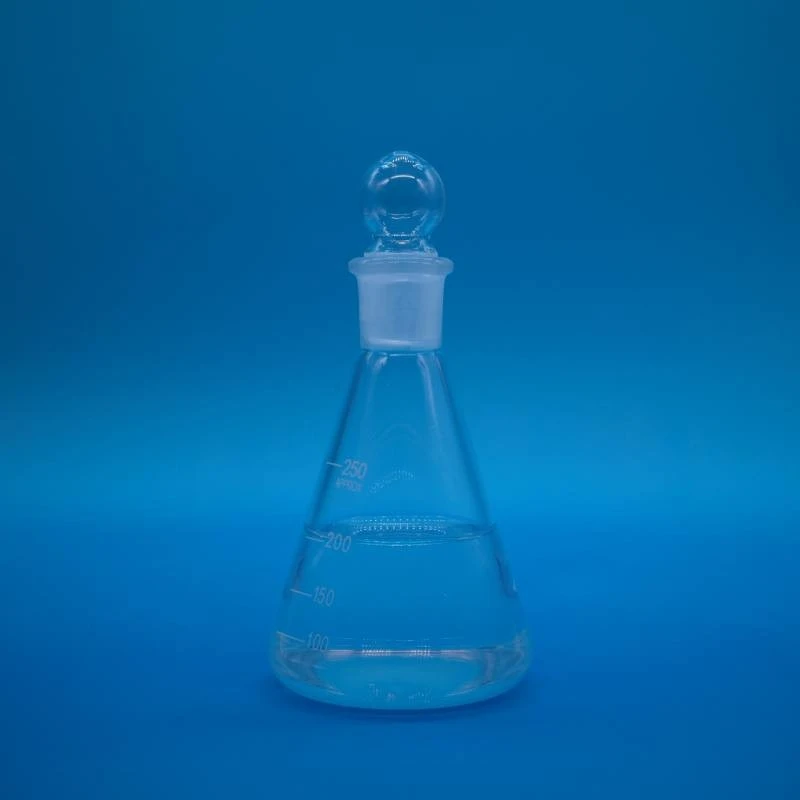
Shandong Peak-tech New Material Co., Ltd. is one of the most reliable manufacturers and suppliers of silica sol for paper making in China. With a professional production team, we are able to meet the needs of the majority of our customers. Welcome to buy durable silica sol for paper making for sale here from our factory.
Silica Sol for Paper Making Grade Comparison
| Model | Particle Size | SiO₂ Content | pH | Modification | Shelf Life |
|---|---|---|---|---|---|
| AP2510 | 10–20 nm | 25±1% | 3–6 | Inorganic cationic | ≥6 months |
| AP2820 | 20–30 nm | 28±1% | 3–6 | Inorganic cationic | ≥6 months |
| APX50-20 | 50–60 nm | 20±1% | 3–6 | Inorganic cationic | ≥6 months |
| APX80-30 | 80–90 nm | 30±1% | 3–6 | Inorganic cationic | ≥6 months |
| APX100-30 | 100–120 nm | 30±1% | 3–6 | Inorganic cationic | ≥6 months |
| PI2020 | 20–30 nm | 20±1% | 3–6 | Organic cationic | ≥6 months |
| P12X | 300–600 nm | 12–13% | 3–6 | Cationic | ≥6 months |
These cationic silica-sol grades are starting points for paper-making and coating trials. Furnish chemistry, charge balance, addition point and final paper requirements must be confirmed before grade approval.
Select by Process Role and Particle Size
Paper-making systems contain fibers, fines, fillers, starches and polymers with changing surface charge. Grade selection should therefore combine particle size with system chemistry and the intended addition point.
Fine AP Grades
AP2510 and AP2820 provide inorganic cationic silica at 25±1% and 28±1% SiO₂ for controlled process trials.
Larger APX Grades
APX grades offer three larger particle-size ranges for comparative paper-coating and specialty-surface evaluation.
PI2020
PI2020 combines 20±1% SiO₂ with 20–30 nm particles for formulation-specific trials requiring organic cationic modification.
P12X Specialty Grade
P12X provides a distinctly larger particle range for specialty paper, film, surface-texture or anti-blocking evaluation.
What to Provide Before a Paper-Making Trial
- Application point: identify wet end, approach flow, size press, surface treatment, coating or ink-receptive layer.
- Furnish composition: provide fiber type, recycled content, fines level, fillers and relevant furnish consistency.
- Chemical program: list starch, retention polymers, sizing agents, strength aids, defoamers and other charged additives.
- Process water: provide pH, conductivity, hardness, anionic trash level and operating temperature where available.
- Performance targets: define retention, drainage, formation, surface holdout, printability, absorption or anti-blocking requirements.
- Trial plan: include dosage range, addition sequence, control formula, sampling method and acceptance criteria.
Evaluate Compatibility Before Machine Scale-Up
Charge and Mixing Check
Screen compatibility with the actual process water, furnish and polymers before setting a machine-trial dosage.
Laboratory Sheet Trial
Compare drainage, retention, formation and sheet properties against the current chemical program.
Coating Trial
For surface use, test viscosity, coating stability, holdout, drying, absorption and print performance.
Machine Trial
Increase dosage stepwise while monitoring wet-end stability, runnability, deposits and final paper quality.
Request Silica Sol for a Paper-Making Trial
Send the paper grade, furnish chemistry, chemical program, process pH, addition point, target properties and required trial quantity.
Request a Paper GradeProtect the Silica-Sol Dispersion
Packaging Options
Available polyethylene packaging sizes are 25 kg, 250 kg and 1000 kg.
Storage Temperature
Store at 0–40°C and prevent freezing. Temperatures below 0°C can cause irreversible gelation.
Direct Sunlight
Avoid prolonged direct sunlight during storage and transportation.
Container Closure
Keep containers closed to limit water evaporation and precipitation of solid silica particles.
Silica Sol for Paper Making FAQ
Which silica-sol grades are available for paper-making trials?
Published candidates include AP2510, AP2820, APX50-20, APX80-30, APX100-30, PI2020 and P12X.
Why are cationic grades used for paper-making evaluation?
Cationic silica can interact with negatively charged components in compatible paper systems. Actual results depend on furnish chemistry, polymers, process water and addition sequence.
What is the difference between AP and PI grades?
The listed AP and APX grades use inorganic cationic modification, while PI2020 is identified as an organically modified cationic grade.
Can one silica-sol dosage be used for every paper machine?
No. Dosage and addition point must be established through laboratory and machine trials because furnish, charge demand and chemical programs differ.
How should silica sol for paper making be stored?
Store it at 0–40°C, prevent freezing and prolonged sunlight, and keep the package closed when not in use.
Hot Tags: silica sol for paper making, China silica sol for paper making manufacturers, suppliers, factory
Applications of Silica Sol for Paper Making
Cationic silica sol can be evaluated in compatible paper-making and paper-coating systems. Performance depends on charge balance, furnish composition, process water, polymers, dosage and addition point.
Wet-End Retention Programs
Selected grades can be screened with compatible polymer programs for fines and filler retention under actual furnish conditions.
Drainage Optimization
Laboratory and machine trials can assess drainage response, formation and sheet consistency at controlled dosage levels.
Paper Surface Coating
Cationic grades with different particle sizes can be evaluated for coating stability, holdout and surface-property development.
Ink-Receptive Paper
Compatible grades may be tested in receiving layers targeting liquid uptake, drying, dot control and print definition.
Specialty Paper and Film
P12X and other selected grades can be assessed where surface texture, spacing or anti-blocking behavior is required.
Custom Mill Programs
Grade and dosage trials can be designed around the mill's furnish, recycled content, fillers, process water and chemical program.


