


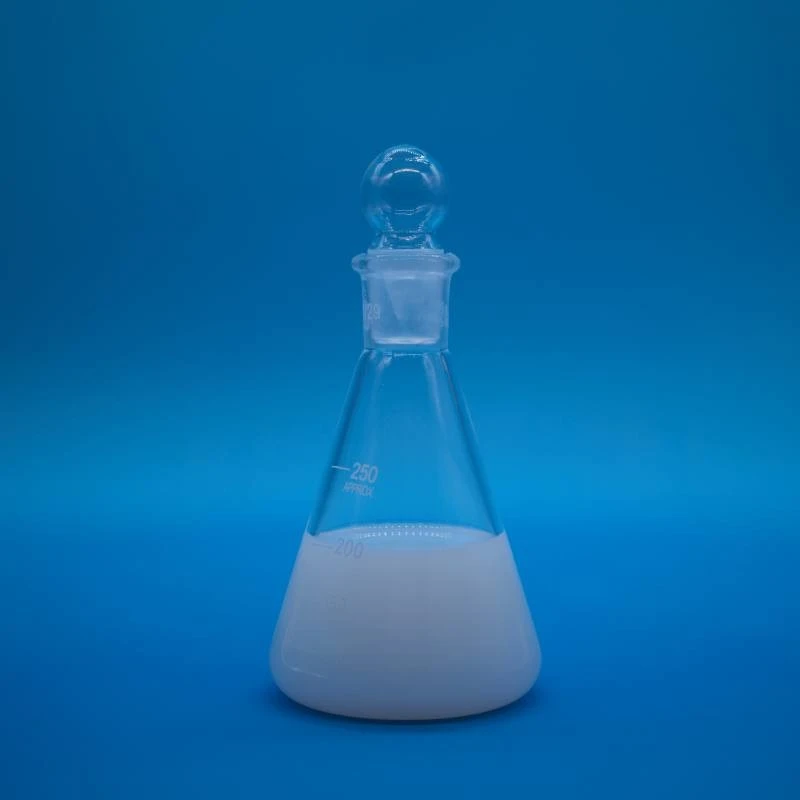
Shandong Peak-tech New Material Co., Ltd. is one of the most reliable manufacturers and suppliers of silica sol for precision casting in China. With a professional production team, we are able to meet the needs of the majority of our customers. Welcome to buy durable silica sol for precision casting for sale here from our factory.
Silica Sol for Precision Casting Grade Comparison
PC10 and PC20 are aqueous colloidal silica binders developed for ceramic shell trials in precision casting. The appropriate grade depends on shell layer, refractory flour and stucco, slurry controls, drying cycle and casting requirements.
| Model | Published Shell Direction | SiO₂ Content | Particle Size | Na₂O Content | pH | Shelf Life |
|---|---|---|---|---|---|---|
| PC10 | Backup layers | 27±1% | 8–15 nm | ≤0.4% | 9.5–10.5 | ≥12 months |
| PC20 | Primary face coat | 30±1% | 10–20 nm | ≤0.4% | 9.5–10.5 | ≥12 months |
The stated shell-layer directions are starting points for evaluation. Confirm the complete slurry recipe, test methods, batch certificate and foundry acceptance criteria before production use.
Match the Silica Sol to Each Ceramic Shell Stage
PC10
Published with 27±1% SiO₂ and 8–15 nm particles for backup-layer slurry evaluation.
PC20
Published with 30±1% SiO₂ and 10–20 nm particles for primary face-coat slurry evaluation.
Viscosity, Wetting and Stability
Monitor slurry age, density, viscosity, wetting, drainage and sedimentation with the actual refractory system.
Drying, Strength and Permeability
Qualify green strength, fired strength, permeability, drying cracks and casting surface quality as a complete system.
Information Needed for Precision Casting Evaluation
Binder selection should follow the ceramic shell process, alloy and defect-prevention targets rather than silica-sol parameters alone.
- Shell stage: identify primary coat, transition coat, backup layers or comparative full-shell testing.
- Refractory system: provide flour and stucco type, particle grading, supplier and mixing ratio.
- Slurry formulation: list silica-sol ratio, additives, antifoam, wetting agents, polymers and biocide where applicable.
- Process controls: provide slurry temperature, viscosity method, mixing, aging, dipping, drainage and stucco procedures.
- Drying and firing: state humidity, airflow, layer interval, dewaxing and shell-firing conditions.
- Casting requirements: identify alloy, pouring temperature, component geometry, dimensional tolerance and surface-finish targets.
- Acceptance criteria: define shell cracks, spalling, inclusions, permeability, strength and casting-defect limits.
Request Silica Sol for a Precision Casting Trial
Send the shell stage, refractory system, slurry recipe, drying and firing cycle, casting alloy, defect targets, trial quantity and annual demand.
Request a Precision Casting GradeMaintain Binder Stability Before Slurry Preparation
Packaging Options
Available polyethylene packaging sizes are 25 kg, 250 kg and 1000 kg.
Storage Temperature
Store at 0–40°C and protect from freezing. Freezing can cause irreversible gelation and binder failure.
Direct Sunlight
Avoid prolonged exposure to direct sunlight during storage and transportation.
Container and Slurry Control
Keep supply containers closed and prevent contamination before the silica sol enters the controlled foundry slurry system.
Silica Sol for Precision Casting Questions
Which silica sol grades are available for precision casting?
The published precision-casting binder grades are PC10 and PC20.
Which grade is intended for face coats?
PC20 is the published face-coat direction, while PC10 is the published backup-layer direction. Both require validation in the actual shell system.
Which slurry properties should be monitored?
Monitor solids, density, viscosity, wetting, drainage, sedimentation, slurry age and response to temperature and contamination.
Which shell tests are important before production?
Evaluate drying cracks, green strength, fired strength, permeability, dewaxing response, thermal stability and resulting casting surface quality.
How should precision casting silica sol be stored?
Store it at 0–40°C, prevent freezing and direct sunlight, and keep the supply container securely closed.
Hot Tags: silica sol for precision casting, China silica sol for precision casting manufacturers, suppliers, factory
Precision Casting Ceramic Shell Applications
PC10 and PC20 are evaluated as inorganic binders within complete ceramic shell systems. Grade approval depends on slurry behavior, drying, shell strength, alloy conditions and casting quality.
Primary Face-Coat Slurries
Evaluate PC20 with the selected fine refractory flour for wetting, drainage, surface replication and casting finish.
Backup Layer Slurries
Evaluate PC10 with backup flour and stucco for shell build rate, drying and structural support.
Transition-Layer Development
Test binder and refractory combinations that bridge the primary and backup shell layers without interface weakness.
Complex Thin-Wall Castings
Qualify shell strength, permeability, dimensional control and surface response for demanding geometries.
High-Temperature Alloy Casting
Assess refractory compatibility, fired-shell behavior and defect risk under the actual alloy and pouring conditions.
Foundry Process Optimization
Compare slurry life, drying cycle, shell defects, material consumption and casting yield under controlled trials.


