


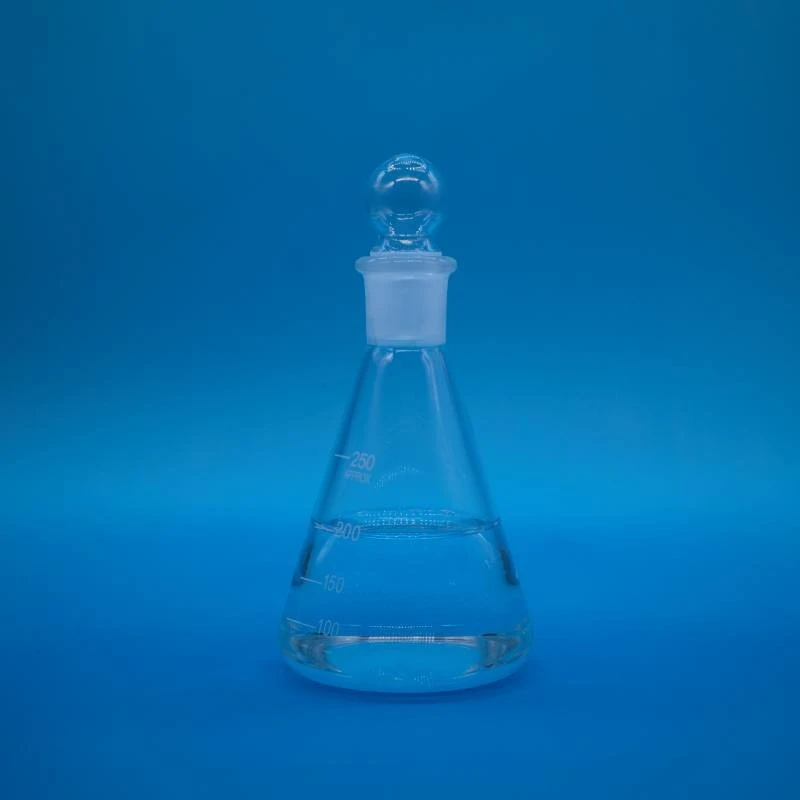
Shandong Peak-tech New Material Co., Ltd. is one of the most reliable manufacturers and suppliers of colloidal silica for anti-slip coating in China. With a professional production team, we are able to meet the needs of the majority of our customers. Welcome to buy durable colloidal silica for anti-slip coating for sale here from our factory.
Colloidal Silica for Anti-Slip Coating
| Model | Particle Shape | SiO₂ Content | Particle Length (DLS) | Particle Diameter (TEM) | pH |
|---|---|---|---|---|---|
| LZ-1A | Branched | 20% | 30–60 nm | 10–15 nm | 2–4 |
| LZ-2A | Branched | 20% | 60–100 nm | 10–15 nm | 2–4 |
| LZ-1 | Branched | 25% | 30–60 nm | 10–15 nm | 9–10 |
| LZ-2 | Branched | 25% | 60–100 nm | 10–15 nm | 9–10 |
| LL-200 | Branched | 20% | 30–60 nm | 10–15 nm | 8–9 |
| LL-600 | Branched | 20% | 30–60 nm | 4–6 nm | 8–9 |
| PT-2 | Potato-Shaped | Customizable | 60–100 nm | 30–60 nm | 9–10 |
These non-spherical grades are candidates for anti-slip coating formulation trials, not finished coatings. Confirm surface morphology, binder compatibility, transparency, abrasion and wet/dry slip performance in the complete system.
Match Particle Morphology to Coating Performance
LZ-1A and LZ-2A
Both contain 20% SiO₂ and have pH 2–4, with DLS particle lengths of 30–60 nm or 60–100 nm.
LZ-1 and LZ-2
Both contain 25% SiO₂ and have pH 9–10, with two published DLS length ranges.
LL-200 and LL-600
Both contain 20% SiO₂ at pH 8–9. Their published TEM particle diameters are 10–15 nm and 4–6 nm.
PT-2
PT-2 has a 60–100 nm DLS length, 30–60 nm TEM diameter, pH 9–10 and customizable SiO₂ content.
Information Needed for Anti-Slip Coating Evaluation
Define the coating chemistry, substrate, application conditions and required slip test before selecting a non-spherical silica candidate.
- Coating system: identify the waterborne or other binder, pigments, additives, solids and formulation pH.
- Substrate and use: specify flooring, deck, ramp, walkway, tile, metal or another coated surface.
- Particle requirement: provide the preferred morphology, DLS length, TEM diameter, silica content and dosage.
- Appearance targets: state transparency, haze, gloss, color and acceptable surface texture.
- Performance targets: define the wet and dry slip method, abrasion, adhesion, cleaning and weathering requirements.
- Order details: include trial quantity, annual demand, packaging and destination country.
Request Colloidal Silica for an Anti-Slip Coating Trial
Send the coating chemistry, substrate, application method, particle requirement, slip test, appearance targets and required quantity.
Request a Grade RecommendationProtect Product Stability During Storage
Packaging Options
Available polyethylene packaging sizes are 25 kg, 250 kg and 1000 kg.
Storage Temperature
Store at 0–40°C and protect from freezing. Temperatures below 0°C can cause irreversible gelation.
Direct Sunlight
Avoid prolonged exposure to direct sunlight during storage and transportation.
Container Closure
Keep containers closed to limit water evaporation and precipitation of solid silica particles.
Anti-Slip Coating Colloidal Silica Questions
Which colloidal silica grades can be evaluated for anti-slip coatings?
The published grades are LZ-1A, LZ-2A, LZ-1, LZ-2, LL-200, LL-600 and PT-2.
Why evaluate non-spherical silica for anti-slip coatings?
Branched and potato-shaped particles can be evaluated for controlled microscopic surface texture, but final slip resistance depends on the complete coating and application.
Does colloidal silica guarantee a specific slip rating?
No. Slip performance must be measured on the finished coating using the specified substrate, application rate, cure and wet or dry test method.
Which coating properties should be tested?
Test wet and dry slip resistance, abrasion, adhesion, gloss, haze, cleanability, water resistance, weathering and texture retention.
How should colloidal silica for anti-slip coatings be stored?
Store it at 0–40°C, prevent freezing and direct sunlight, and keep the container closed.
Hot Tags: colloidal silica for anti-slip coating, China colloidal silica for anti-slip coating manufacturers, suppliers, factory
Applications of Colloidal Silica for Anti-Slip Coating
Non-spherical colloidal silica can be evaluated for controlled microscopic texture in compatible anti-slip coatings. Final performance depends on the binder, dosage, substrate, application, cure and specified wet or dry slip test.
Industrial Floor Coatings
Evaluated in compatible floor coatings after slip resistance, abrasion, adhesion and cleanability are verified.
Walkway and Ramp Coatings
Suitable candidates can be tested on pedestrian surfaces using the required wet and dry slip method.
Deck and Exterior Coatings
Can be assessed where texture retention, water resistance, UV exposure and weathering are relevant.
Transparent Anti-Slip Coatings
Selected grades may be evaluated where transparency, haze, gloss and surface texture must be balanced.
Tile and Mineral Surfaces
Supports coating trials on compatible tile, stone and mineral substrates after adhesion and appearance are confirmed.
Custom Anti-Slip Formulations
Supports development requiring a selected morphology, particle dimensions, dosage and validated friction performance.


